Illinois Learns to Hunt
Successful Hunter Recruitment Program Enters Second Decade
Started from scratch and now offering programming to thousands of participants, Illinois Learn to Hunt is celebrating its first 10 years and looking ahead.
It’s not easy to schedule time to talk to Dan Stephens in November.
“We’re in our busiest stretch of mentored hunts right now, with several taking place recently and many more scheduled over the coming weeks,” he said.
Just the day before, Stephens — who manages Illinois Learn to Hunt — had mentored a new hunter on a small piece of public land near Champaign. The day started in the early morning darkness with a three-quarter mile trek on foot through the brush and ended with the same trek back, but carrying a 125-pound buck. It was the hunter’s first harvested deer.
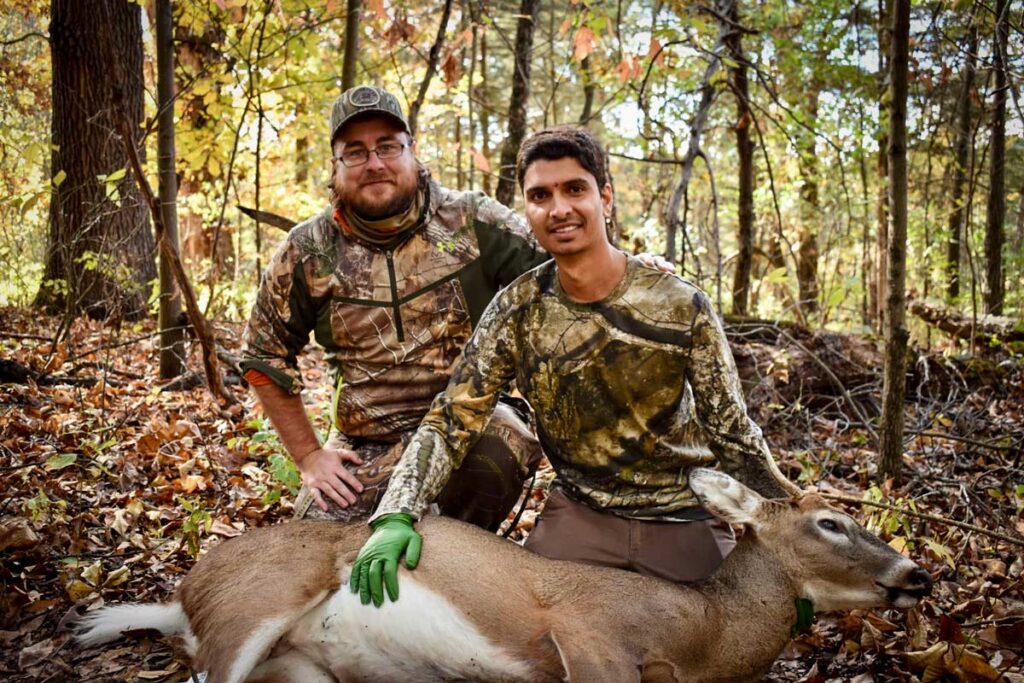
Dan Stephens with a hunter and their deer.
But the experience was so much more than that.
“We were sitting near the bank of the Sangamon River, overlooking a shallow valley,” Stephens said. “Great horned owls were calling through the woods and, as the sun came up, the yellows, reds, and oranges of the fall leaves started to come into view.”
It can be easy for longtime hunters to take that experience in nature for granted, he reflects. It’s true in any season, not just autumn.
After the new hunter took his successful shot, adrenaline set in. The pair waited about 30 minutes before Stephens walked him through field dressing the deer, a process that prevents meat spoilage, and they began the hike back.
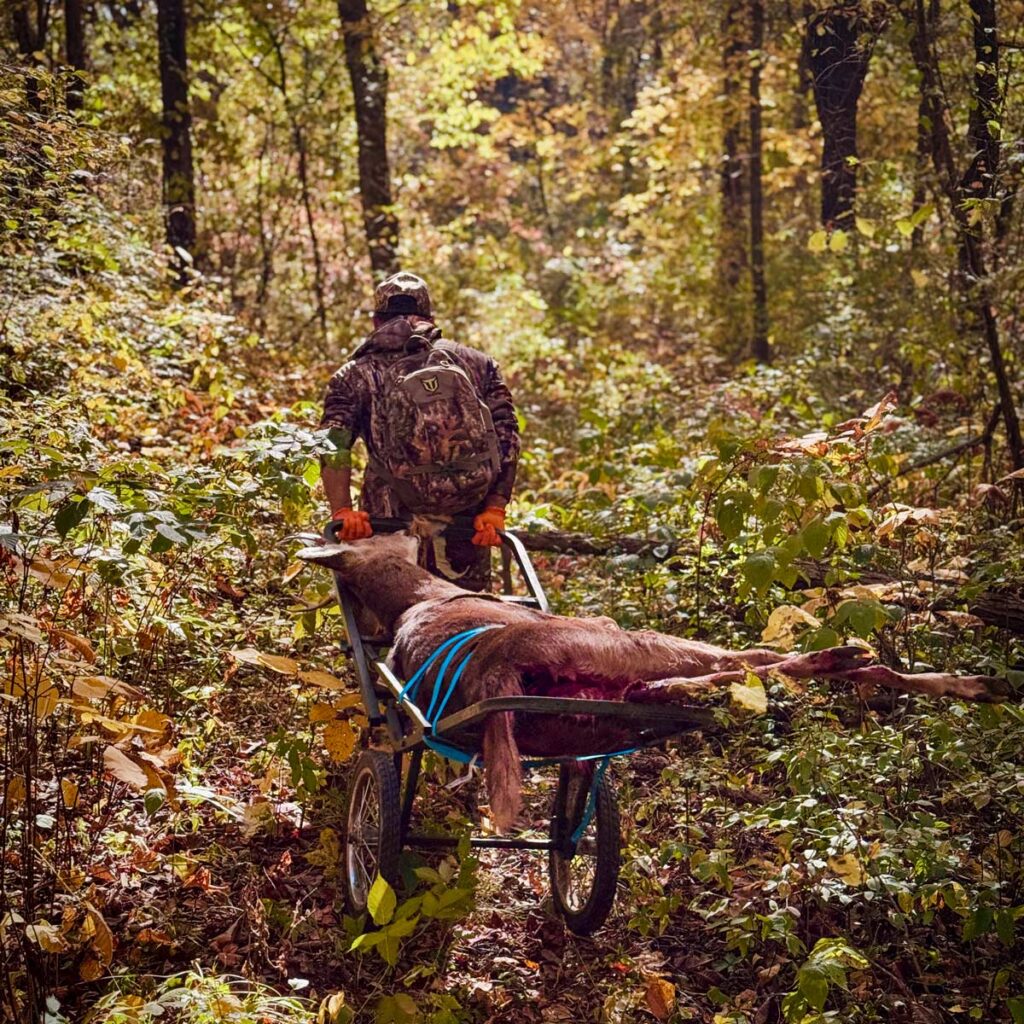
A new hunter hauling a harvested deer out of the woods.
“By the time we reached the parking lot, he looked exhausted, but he was still smiling like a kid on Christmas morning,” Stephens said.
That’s another part of the experience: The hunter now gets to share the venison with his friends and family. “There’s something meaningful about that,” Stephens said. “He had a direct role in bringing that food to the table, and he’ll carry a different understanding of where it comes from.”
The First Ten Years
Since the 1970s, hunting in Illinois has steadily declined, in part due to urban sprawl and the expansion of cropland. Public lands make up only 2% of the state, limiting land available for hunting. And fewer than 2% of Illinoisans are hunters, based on state hunting licenses. Researchers have also found that, today, young people who are interested in the sport often have no connection to hunting through family members or friends.
The Illinois Natural History Survey, in collaboration with the Illinois Department of Natural Resources and other partners, developed the science-backed Illinois Learn to Hunt program 10 years ago to bridge that gap. The Federal Aid in Wildlife Restoration Act (Pittman-Robertson Act) funds the program.
Illinois Learn to Hunt teaches hunting skills to adults, preserving the sport’s traditions while benefiting Illinois’ economy, wildlife management practices, and conservation efforts.
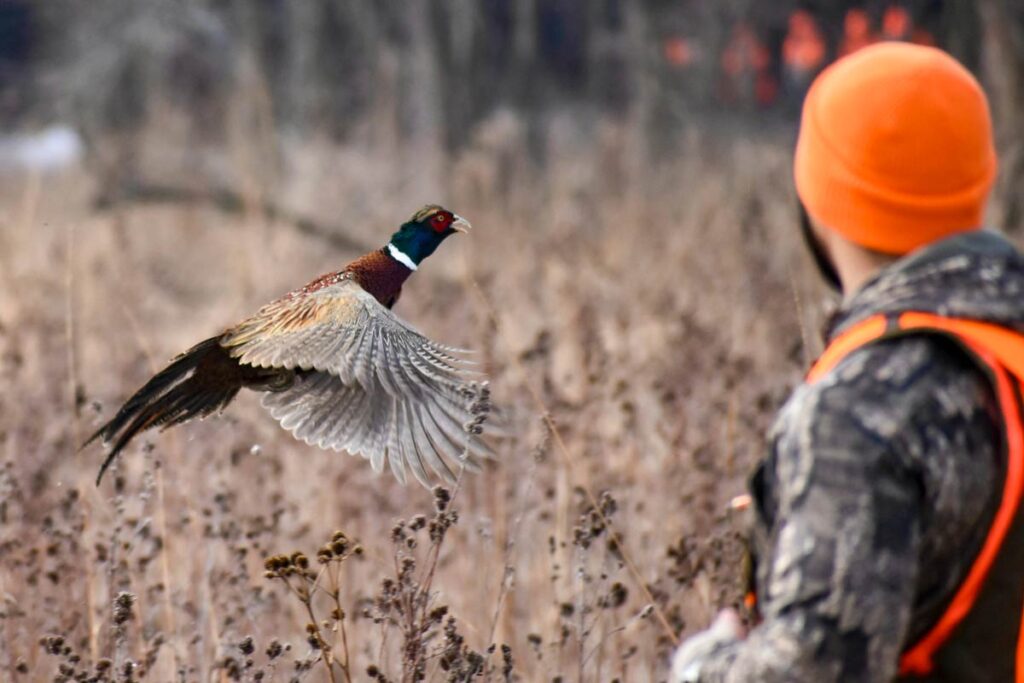
New hunter watches a pheasant in flight.
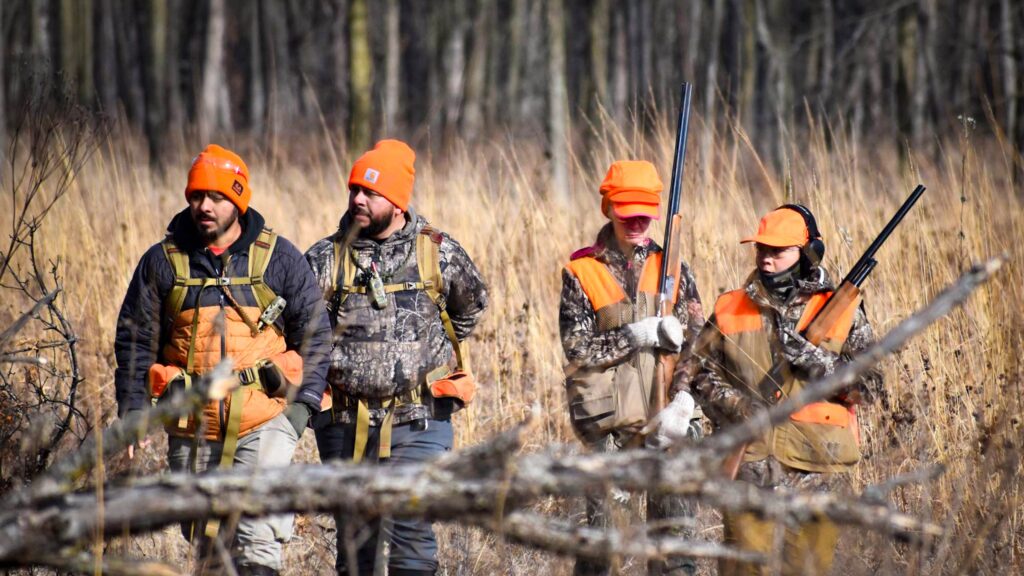
Designed to recruit new hunters, offerings include one-day workshops, mentored hunts, game processing workshops and cooking demonstrations, seminars, webinars, podcasts, how-to videos, and written resources. Participants can learn about hunting deer, turkey, squirrels, pheasants, ducks, geese, and other game.
“That variety gives people more ways to get involved and learn in a format that works for them,” Stephens said. “The numbers help tell that story.”
From just 200 participants in 2018, Illinois Learn to Hunt participation has grown exponentially.
Hunting Can Be For Anyone
The program serves a diverse group of aspiring hunters from across the state, including urban and rural residents of all ages and genders.
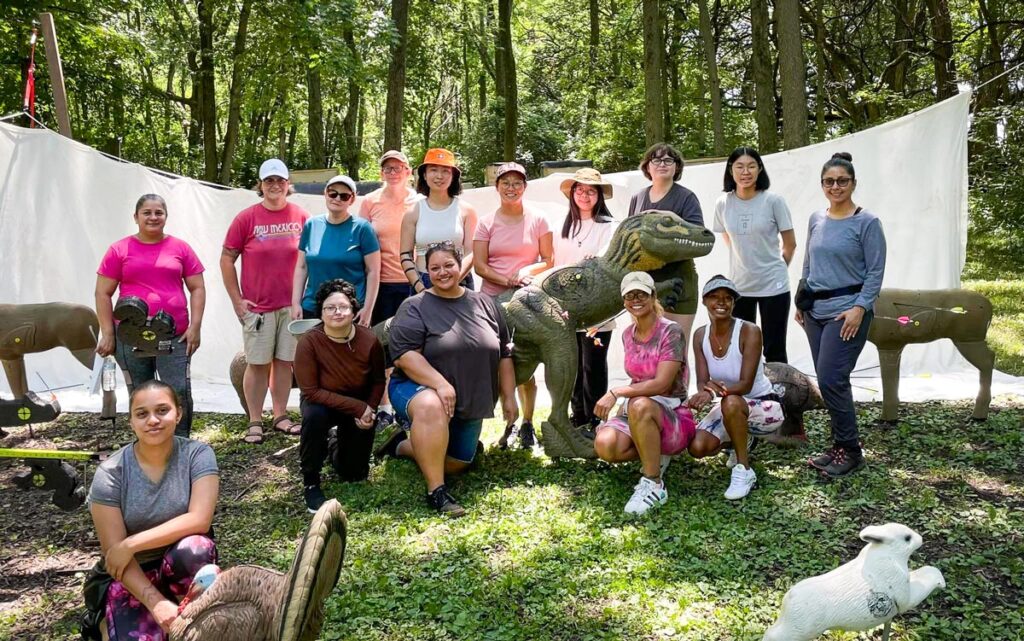
Women’s archery event.
Kari Buckvold of Chicago was an early Illinois Learn to Hunt participant and has also been involved with Becoming an Outdoors Woman, a national initiative offered through the Illinois Department of Natural Resources. Illinois Learn to Hunt presents educational sessions at BOW workshops.
“As someone who grew up in the inner city who didn’t get her driver’s license until she was in her mid-20s, if you told me that I would grow up to want to spend my time entering dark woods in the early morning, sitting in a tree stand for hours on end or walking countless miles in tall grass looking for birds, I wouldn’t have believed it,” Buckvold wrote for Illinois Outdoor Journal.
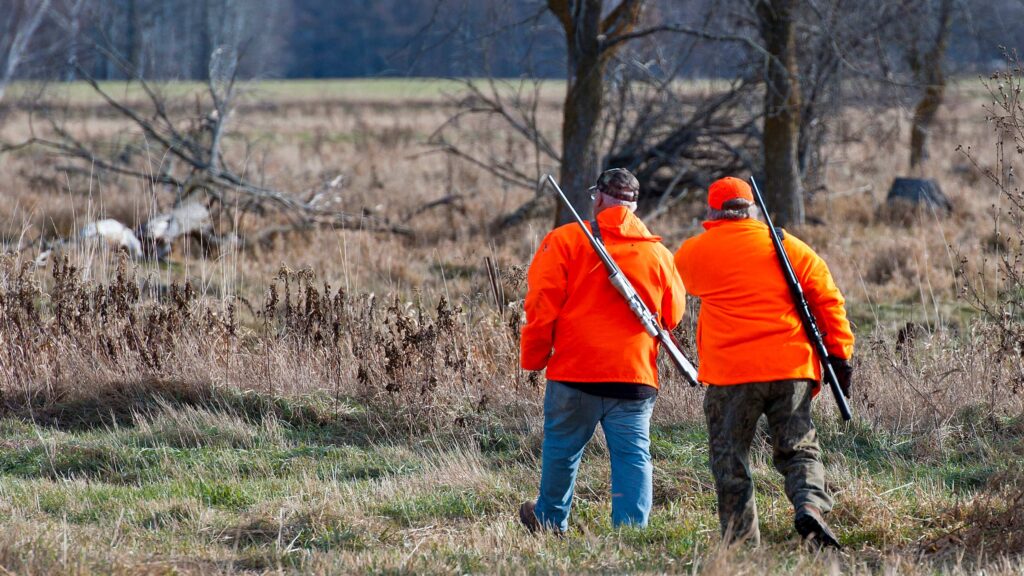
Showing Them The Ropes
“Many of our participants come from non-hunting backgrounds and don’t have anyone in their lives who can show them the ropes,” Stephens said. “Being that person for someone is incredibly rewarding.”
Finding enough mentors to match the number of new hunters interested in the program has been a challenge, Stephens said. However, the program’s mentoring capacity has grown in part thanks to homegrown hunters.
Buckvold, an ambassador at the program’s annual Illinois Hunt Camp, noted that the hunting community has been “instrumental in finding mentors.”
“The seasons are short, and the learning curve is long, but mentors have helped close that gap,” she wrote.
For Stephens, mentoring hunts might be his favorite part of the job. Sharing your time and experience can make a real difference, he said.
“As hunters and conservationists, we have a responsibility to help the next generation learn to hunt safely and ethically,” he reflected. “And you get a lot out of it, too. Many of my favorite hunting stories from recent years come from helping someone else, rather than from my own hunts.”
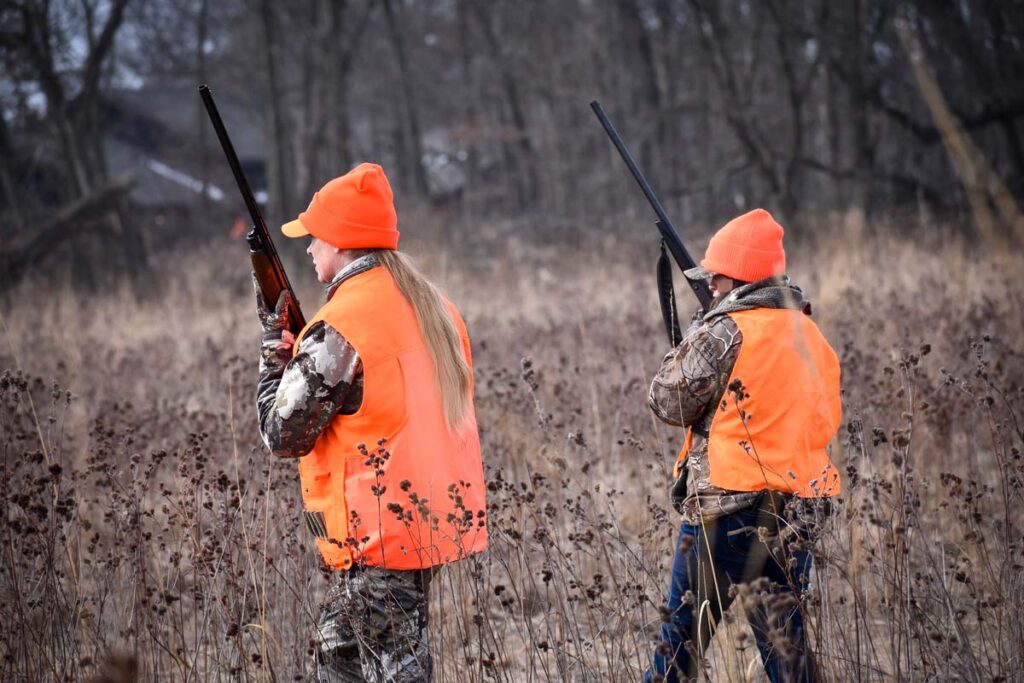
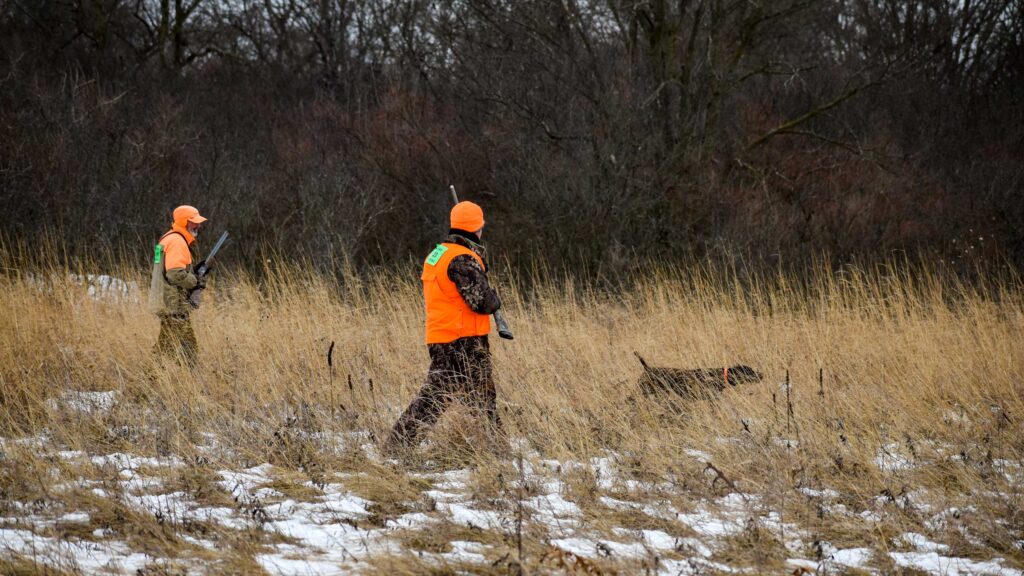
Mentored hunt for upland birds.
Get Involved
- Experienced hunter with knowledge to share? Get in touch for more information.
- Learn about upcoming events on the Illinois Learn to Hunt Eventbrite page.
- Explore all Illinois Learn to Hunt’s resources.
This story was published on Tuesday, November 10, 2026.